
SAB, Farmway
IDEO Tokyo │ 2021 │ UI UX
Sumitomo Agriculture reached out to IDEO to find new business and product opportunities for small-scale farmers in Japan. We created Farmway, a tool for small-scale farms with the ambition of helping them grow and manage their assets digitally.
My role in this work focused on rapid prototyping and user experience for apps used by farmers and their Sumitomo advisors.
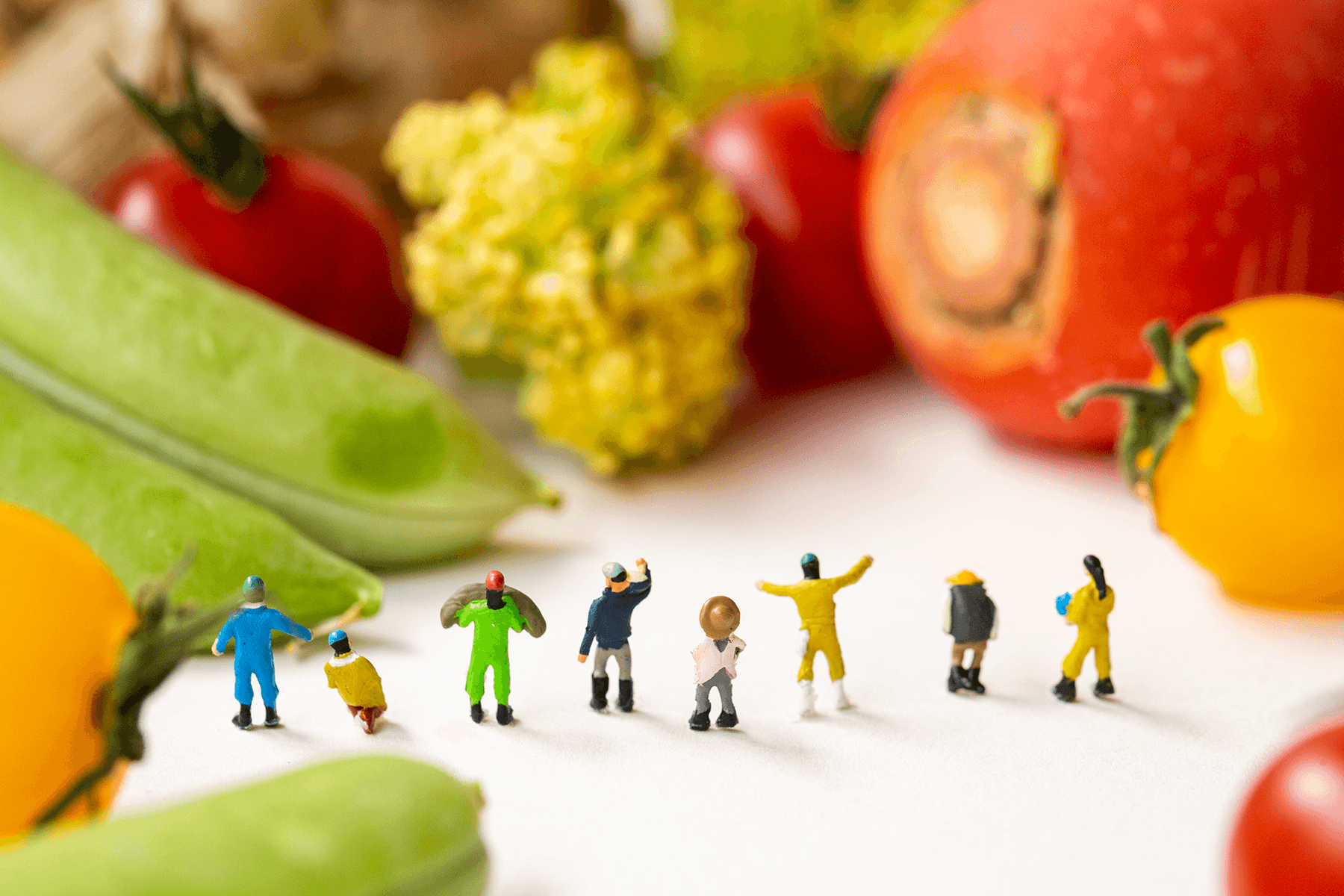
The Brief
How might we provide farming support that helps farmers achieve sustainable agricultural management?
The Challenge
In Japan, the small-scale farming population is declining, and land is being consolidated as corporate farms increase. Small-scale farmers are a key part of Sumitomo's agricultural business, and providing them with a business-led mindset will enable them to remain competitive. Farms that want to scale often find themselves forced to experiment on their own while contending with the risk of being unable to keep pace with changes in the industry or losing valuable resources. There is an opportunity to provide these farmers with tools to help them understand how their farms perform over time, enabling them to make more informed decisions.
“Ever since I started taking farming seriously, I haven’t been able to make a profit no matter what I do.”
— Kumamoto Farmer
The Brief
How might we provide farming support that helps farmers achieve sustainable agricultural management?
The Challenge
In Japan, the small-scale farming population is declining, and land is being consolidated as corporate farms increase. Small-scale farmers are a key part of Sumitomo's agricultural business, and providing them with a business-led mindset will enable them to remain competitive. Farms that want to scale often find themselves forced to experiment on their own while contending with the risk of being unable to keep pace with changes in the industry or losing valuable resources. There is an opportunity to provide these farmers with tools to help them understand how their farms perform over time, enabling them to make more informed decisions.
“Ever since I started taking farming seriously, I haven’t been able to make a profit no matter what I do.”
— Kumamoto Farmer
The Process
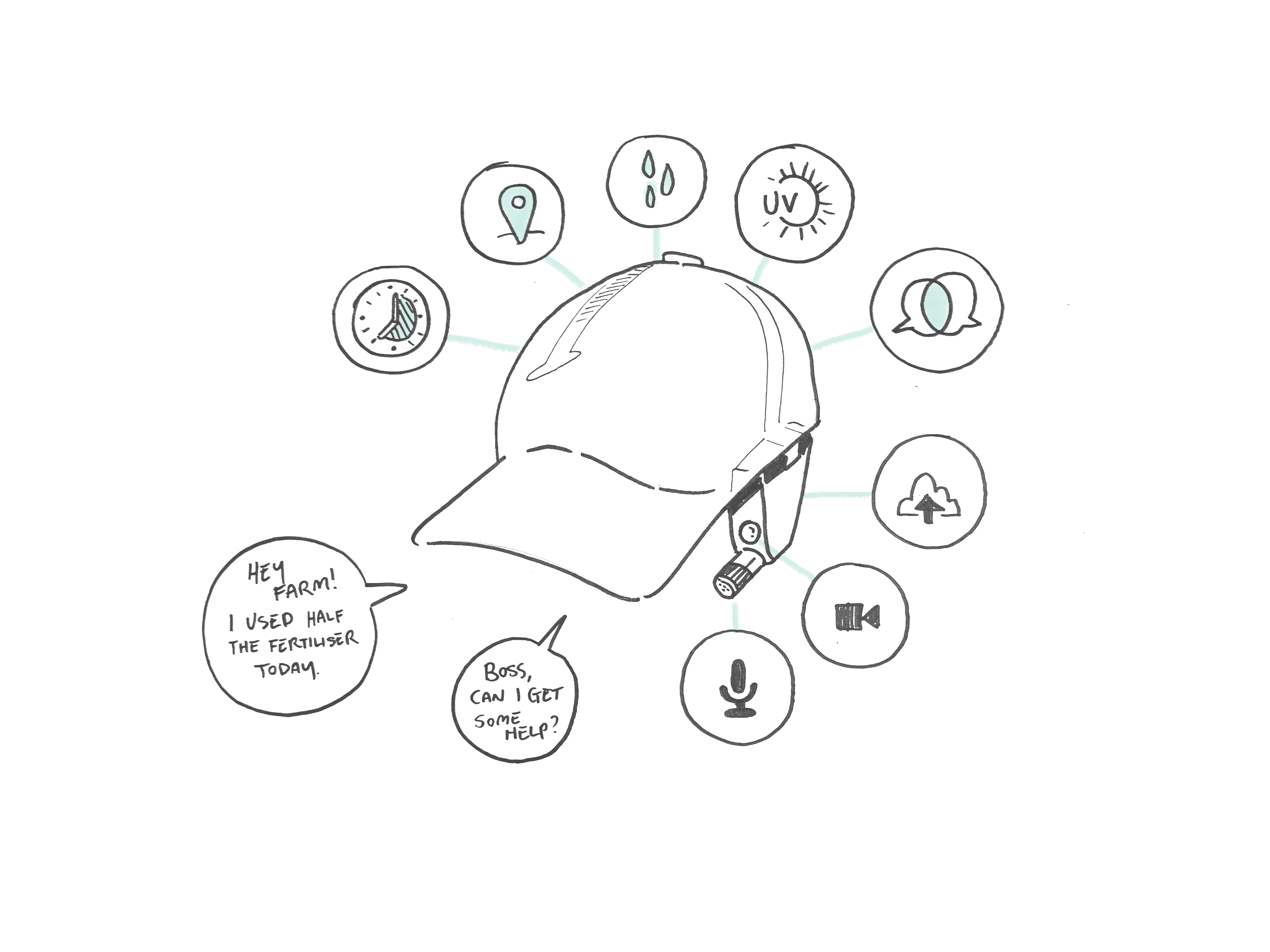
This project initially started as a research and opportunity areas engagement focused on going into the field, engaging with farmers, and ideating and prototyping concepts to better understand where the needs existed. One of the ideas presented during this phase, a ‘smart hat’, showed promise in addressing many of the needs that emerged and became the focus of ongoing collaboration.
Farms are challenging working environments. Hands and tools get dirty quickly, workers spend long days out in the rain or heat, and, above all else, they need to remain aware of pest infestations whilst tracking resources for their managers. The smart hat concept aimed to leverage a common item of workers’ clothing to collect data from the field hands-free.
Managers often keep their data on paper and can only receive infrequent updates from workers to understand the status of their plots. Finding a seamless digital integration within this work environment could enable staff to provide managers with frequent, accurate updates in real time, supporting better decision-making and improving their businesses.
The Process
This project initially started as a research and opportunity areas engagement focused on going into the field, engaging with farmers, and ideating and prototyping concepts to better understand where the needs existed. One of the ideas presented during this phase, a ‘smart hat’, showed promise in addressing many of the needs that emerged and became the focus of ongoing collaboration.
Farms are challenging working environments. Hands and tools get dirty quickly, workers spend long days out in the rain or heat, and, above all else, they need to remain aware of pest infestations whilst tracking resources for their managers. The smart hat concept aimed to leverage a common item of workers’ clothing to collect data from the field hands-free.
Managers often keep their data on paper and can only receive infrequent updates from workers to understand the status of their plots. Finding a seamless digital integration within this work environment could enable staff to provide managers with frequent, accurate updates in real time, supporting better decision-making and improving their businesses.
Live Prototyping
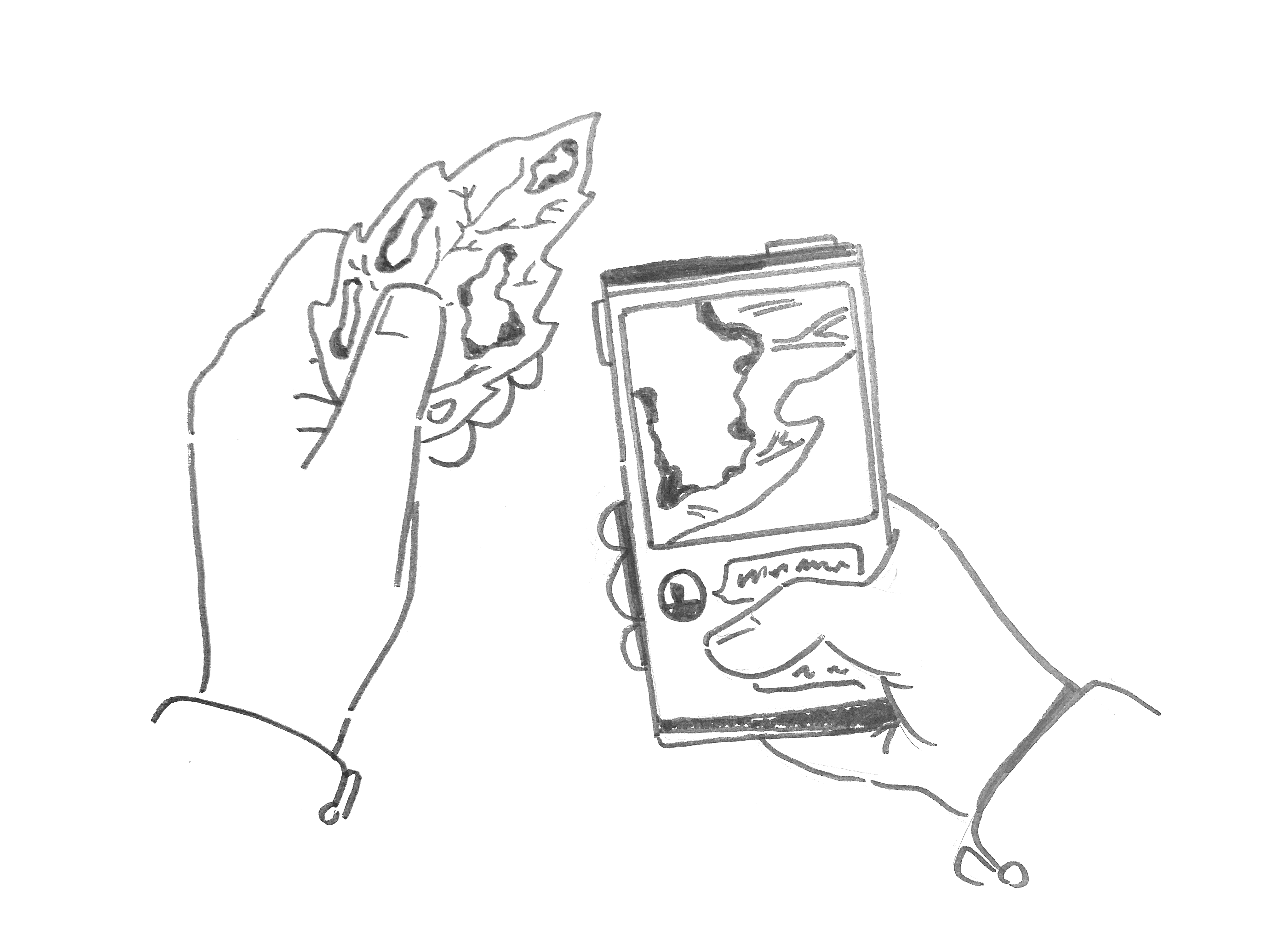
The hat form factor initially seemed promising, but what first needed validation was the new interaction model of using voice to record tasks and farm conditions. The team ran tests across two farms using a low-code solution that made use of iOS Shortcuts and Siri to record voice inputs and capture photographs containing the information needed for collection. That data was then stored in Airtable and pulled into Origami Studio to visualise where and when activities were taking place for managers to review. For this test, iPhones were strapped to workers to make use of already accessible technology and enable rapid iteration.
"I ask staff to write down ‘How many kilos did I manage today?’ by hand in the calendar, and then I type it into my smartphone later, or I write this month’s target in a visible place. The challenge is that we need to improve how we share information, but I think that once we can do that, we’ll be able to divide up our roles more effectively in the future."
— Farm Manager
Live Prototyping
The hat form factor initially seemed promising, but what first needed validation was the new interaction model of using voice to record tasks and farm conditions. The team ran tests across two farms using a low-code solution that made use of iOS Shortcuts and Siri to record voice inputs and capture photographs containing the information needed for collection. That data was then stored in Airtable and pulled into Origami Studio to visualise where and when activities were taking place for managers to review. For this test, iPhones were strapped to workers to make use of already accessible technology and enable rapid iteration.
"I ask staff to write down ‘How many kilos did I manage today?’ by hand in the calendar, and then I type it into my smartphone later, or I write this month’s target in a visible place. The challenge is that we need to improve how we share information, but I think that once we can do that, we’ll be able to divide up our roles more effectively in the future."
— Farm Manager
Live Prototyping
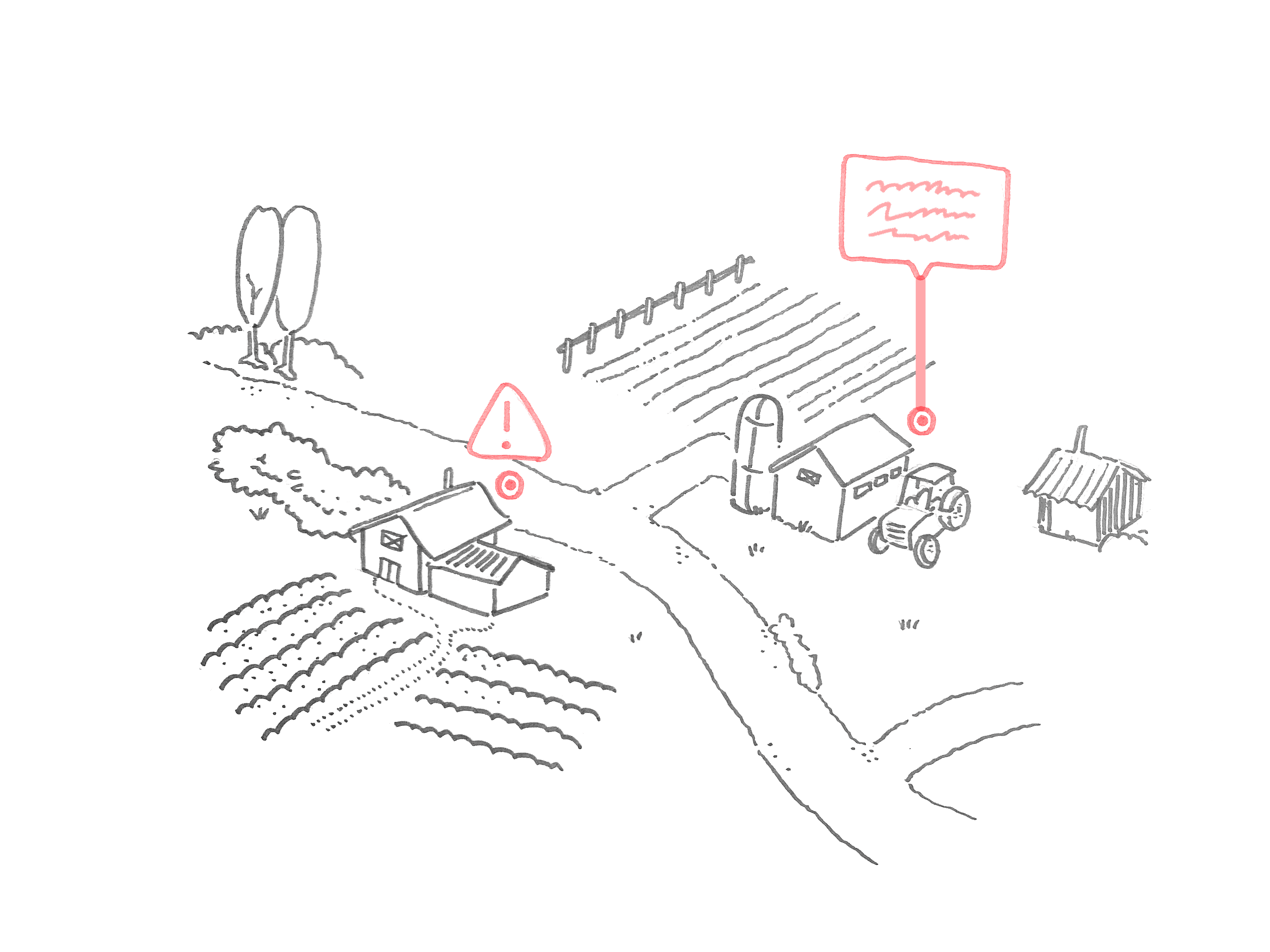
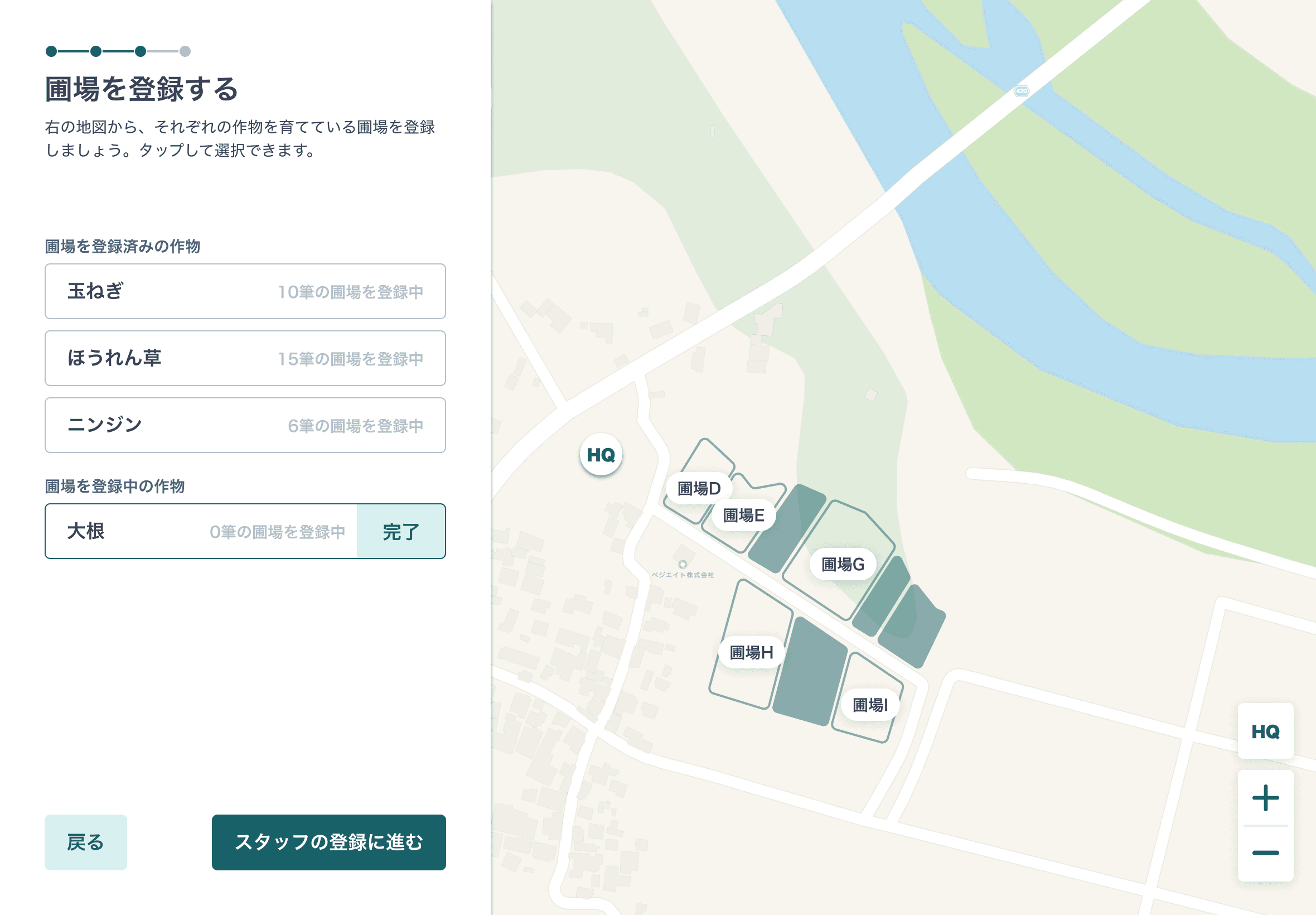
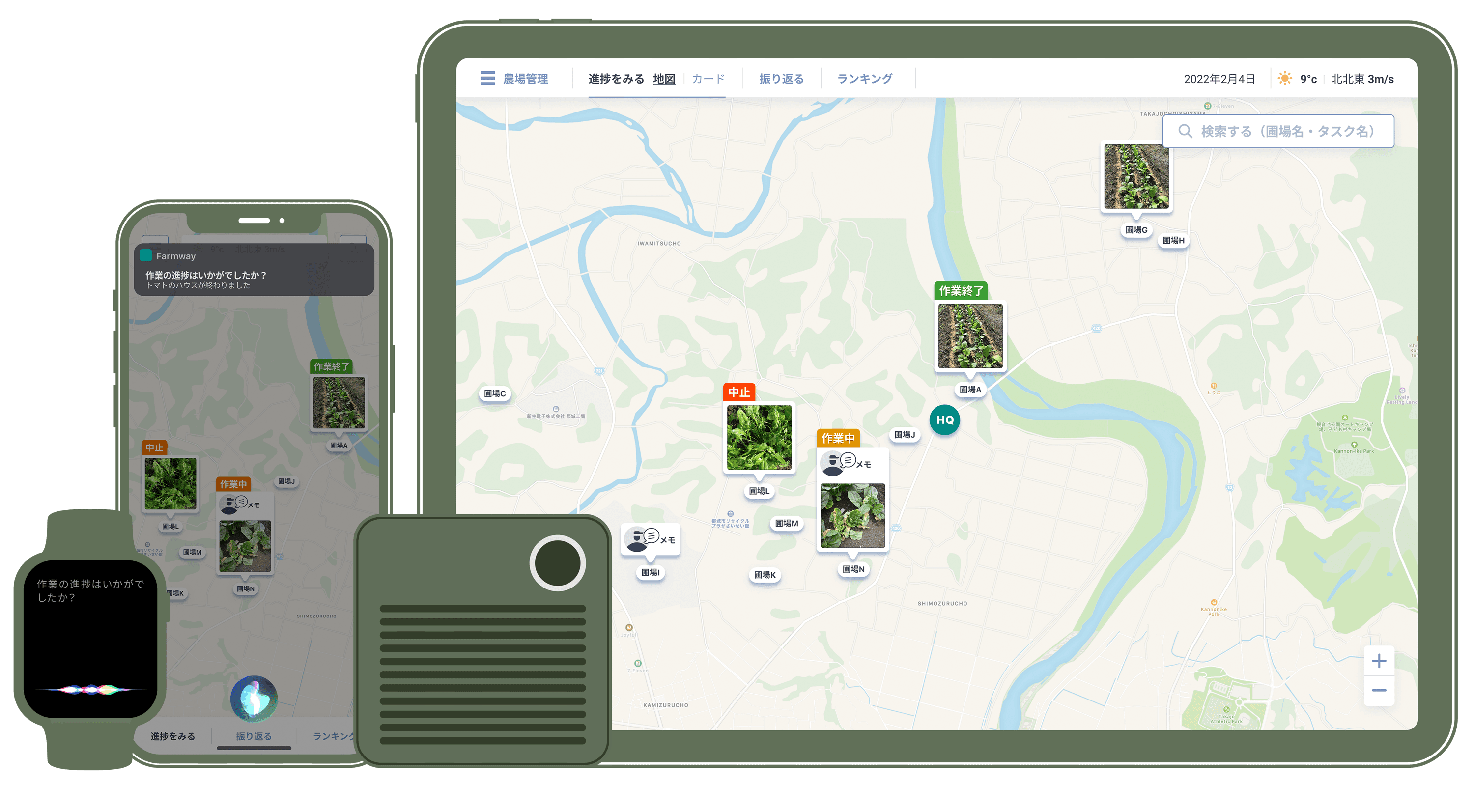
Due to geography or changes in ownership, farmers may oversee plots of land located across various areas. Many of the farms we visited had large maps hanging in their headquarters to keep track of what was being produced where and where staff would be allocated. This was a key behaviour that we needed to maintain within the product, making it easy to view on a tablet so managers could access the information they needed regardless of which plots they were working on. We used this bird’s-eye-view UI to show plot locations and present warning messages, such as nearby pest infestations occurring on neighbouring farms. Having this information in real time would allow for swift action, whether applying pesticides to save crops or warning neighbouring farms to remain cautious.
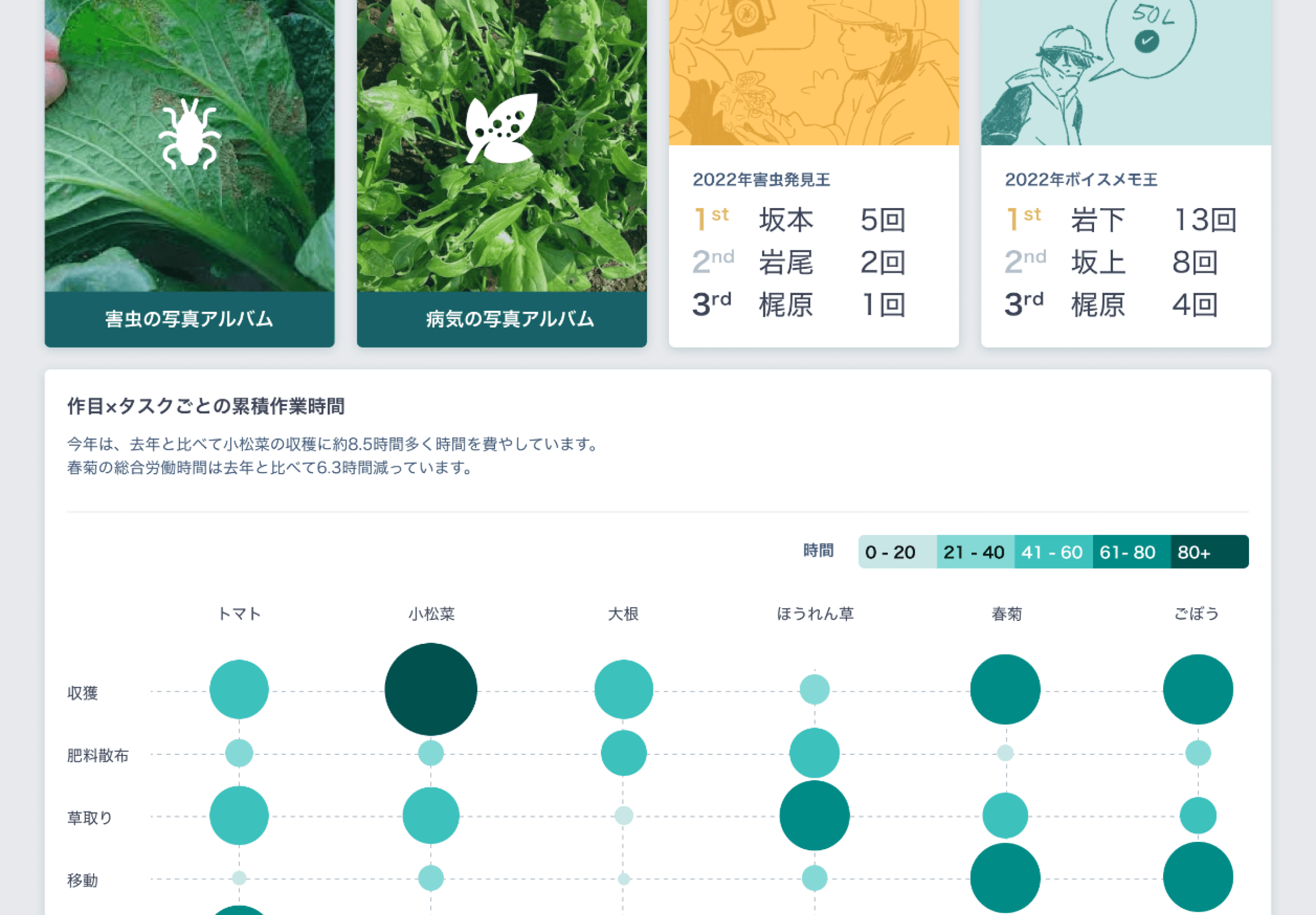
Photographs taken after completed tasks or instances of crop damage also served as key indicators for farmers when making accurate decisions regarding their resources.
Live Prototyping
Due to geography or changes in ownership, farmers may oversee plots of land located across various areas. Many of the farms we visited had large maps hanging in their headquarters to keep track of what was being produced where and where staff would be allocated. This was a key behaviour that we needed to maintain within the product, making it easy to view on a tablet so managers could access the information they needed regardless of which plots they were working on. We used this bird’s-eye-view UI to show plot locations and present warning messages, such as nearby pest infestations occurring on neighbouring farms. Having this information in real time would allow for swift action, whether applying pesticides to save crops or warning neighbouring farms to remain cautious.
Photographs taken after completed tasks or instances of crop damage also served as key indicators for farmers when making accurate decisions regarding their resources.
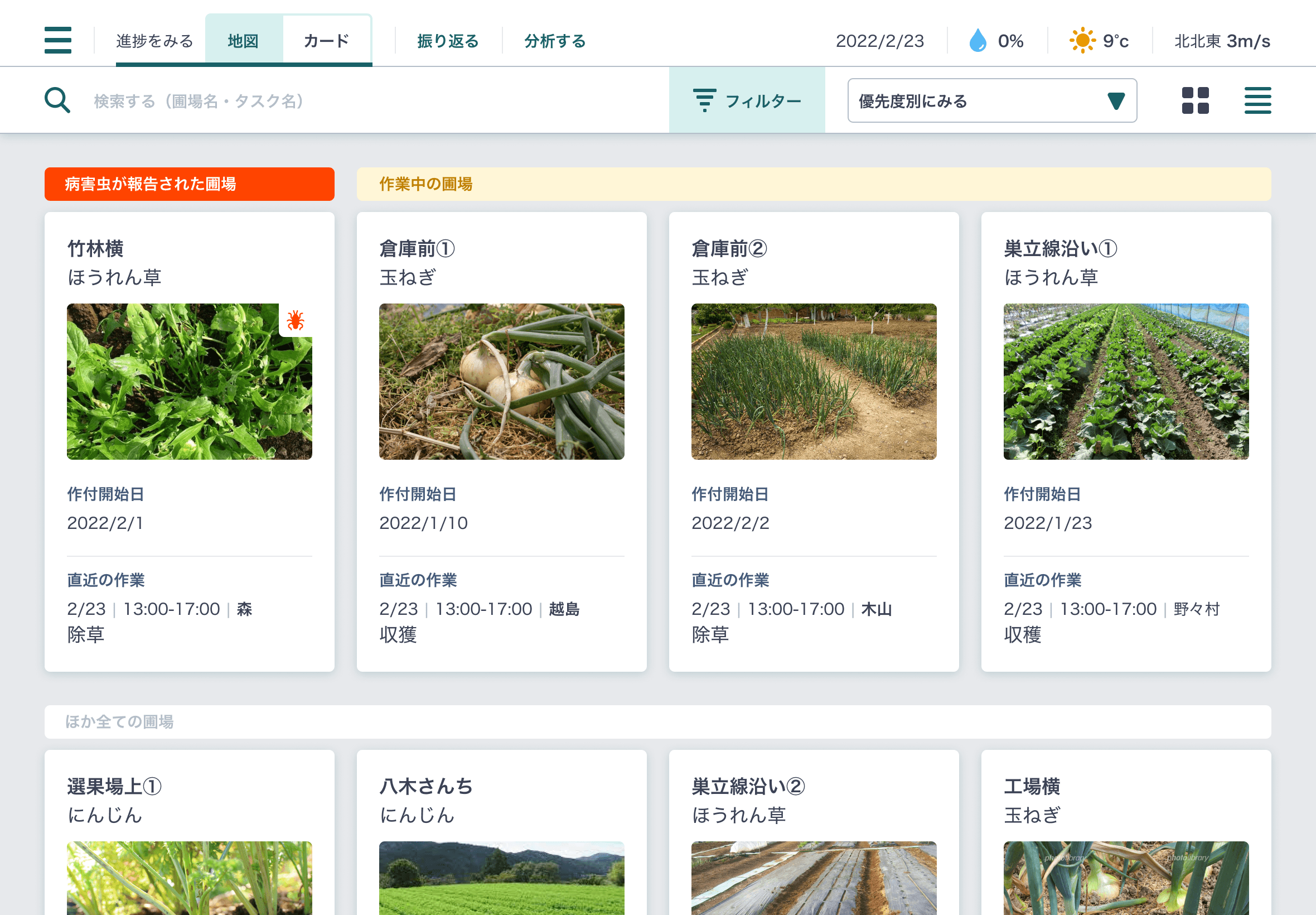
The UI developed to ensure that if warnings were presented, they were the primary focal point any screen given their potential business impact.
The UI developed to ensure that if warnings were presented, they were the primary focal point any screen given their potential business impact.
Historical weather information was a key asset to decision making. Knowing that a crop grew well a previous year, informed how they were produced for tomorrow.
Historical weather information was a key asset to decision making. Knowing that a crop grew well a previous year, informed how they were produced for tomorrow.
Learnings
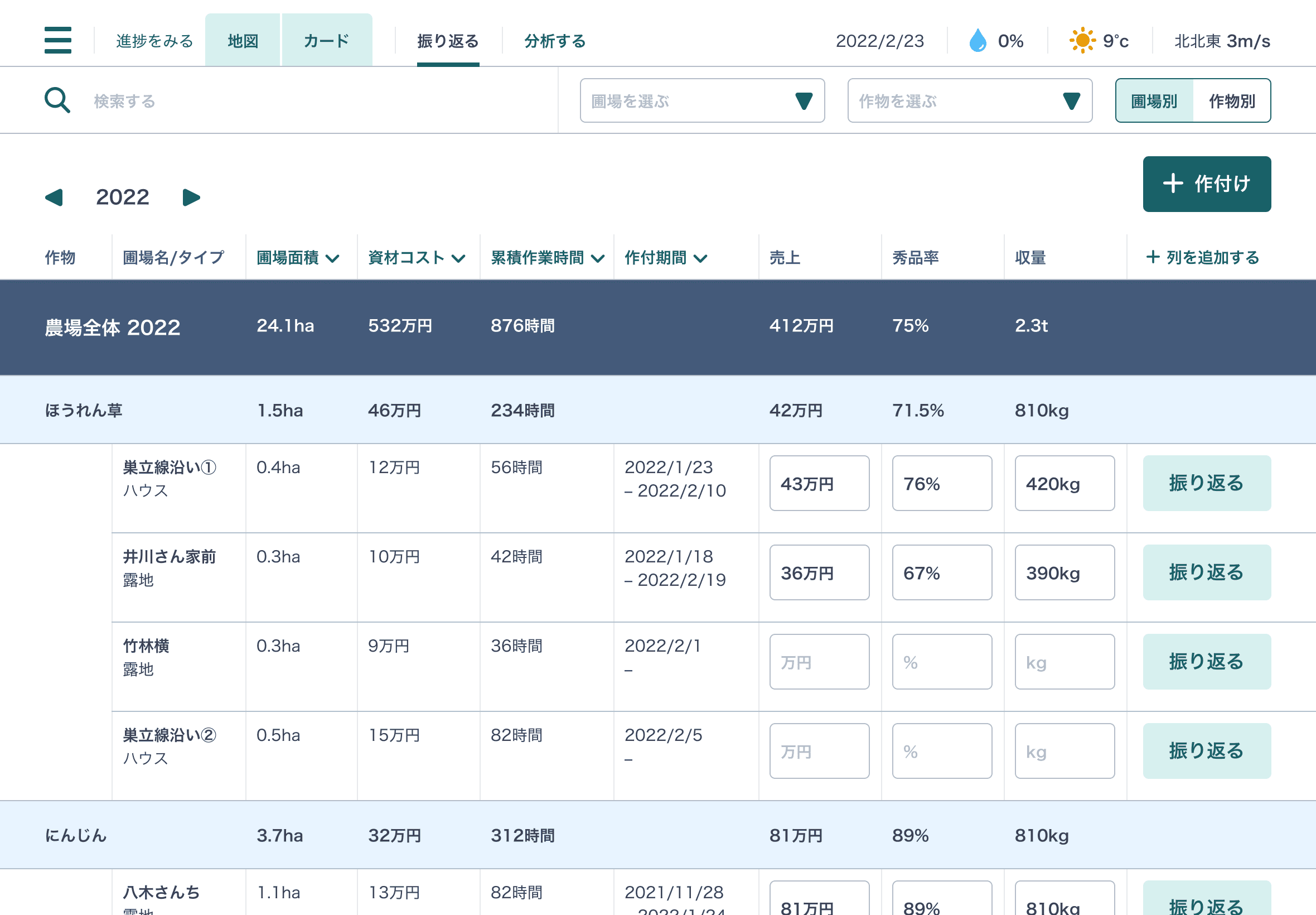
Most of the farmers we tested with had historically relied on intuition and past experience when making decisions. This produced mixed results year to year, especially as plots frequently changed produce to maintain soil health, so digitising that experience was seen as a powerful asset. Farmers recognised that it could enable them to make far more informed decisions beyond gut feeling alone.
On the SAB advisor side, having access to the data of the farmers they were supporting created a valuable opportunity to provide more relevant advice and assistance. Sales staff often found it difficult to build strong relationships with farmers as outsiders; however, equipping them with tools that could create a positive impact was appreciated by farmers.
"The reasons for cost fluctuations are pesticides and labour costs. I want to check whether there are any significant deviations from the budget or any outliers. If there are significant deviations, I will investigate the cause and consider what action to take."
— Kumamoto Farmer
Learnings
Most of the farmers we tested with had historically relied on intuition and past experience when making decisions. This produced mixed results year to year, especially as plots frequently changed produce to maintain soil health, so digitising that experience was seen as a powerful asset. Farmers recognised that it could enable them to make far more informed decisions beyond gut feeling alone.
On the SAB advisor side, having access to the data of the farmers they were supporting created a valuable opportunity to provide more relevant advice and assistance. Sales staff often found it difficult to build strong relationships with farmers as outsiders; however, equipping them with tools that could create a positive impact was appreciated by farmers.
"The reasons for cost fluctuations are pesticides and labour costs. I want to check whether there are any significant deviations from the budget or any outliers. If there are significant deviations, I will investigate the cause and consider what action to take."
— Kumamoto Farmer
Outcomes
Members of the Sumitomo team took the research findings from this work and continued developing internal tools to improve the support they could provide to farmers. Working in Japan with large clients, we often heard stories of client teams being disconnected from the realities of their end users, and this project was no exception. For many of the participating team members, it was their first opportunity to spend meaningful time on farms with managers and staff to truly understand where the challenges existed. Whilst an end product has not yet emerged from this project, documenting the process and highlighting potential solutions through prototypes reinforced the importance of research, prototyping, and building empathy within the client team.
Outcomes
Members of the Sumitomo team took the research findings from this work and continued developing internal tools to improve the support they could provide to farmers. Working in Japan with large clients, we often heard stories of client teams being disconnected from the realities of their end users, and this project was no exception. For many of the participating team members, it was their first opportunity to spend meaningful time on farms with managers and staff to truly understand where the challenges existed. Whilst an end product has not yet emerged from this project, documenting the process and highlighting potential solutions through prototypes reinforced the importance of research, prototyping, and building empathy within the client team.

SAB, Farmway
IDEO Tokyo │ 2021 │ UI UX
Sumitomo Agriculture reached out to IDEO to find new business and product opportunities for small scale farmers in Japan. We created Farmway, a tool for small-scale farms with the ambition to grow and manage their assets digitally.
My role in this work was focused on rapid prototyping and user experience for apps used by farmers and their Sumitomo advisors.
See Some Other Projects