Hypothesis
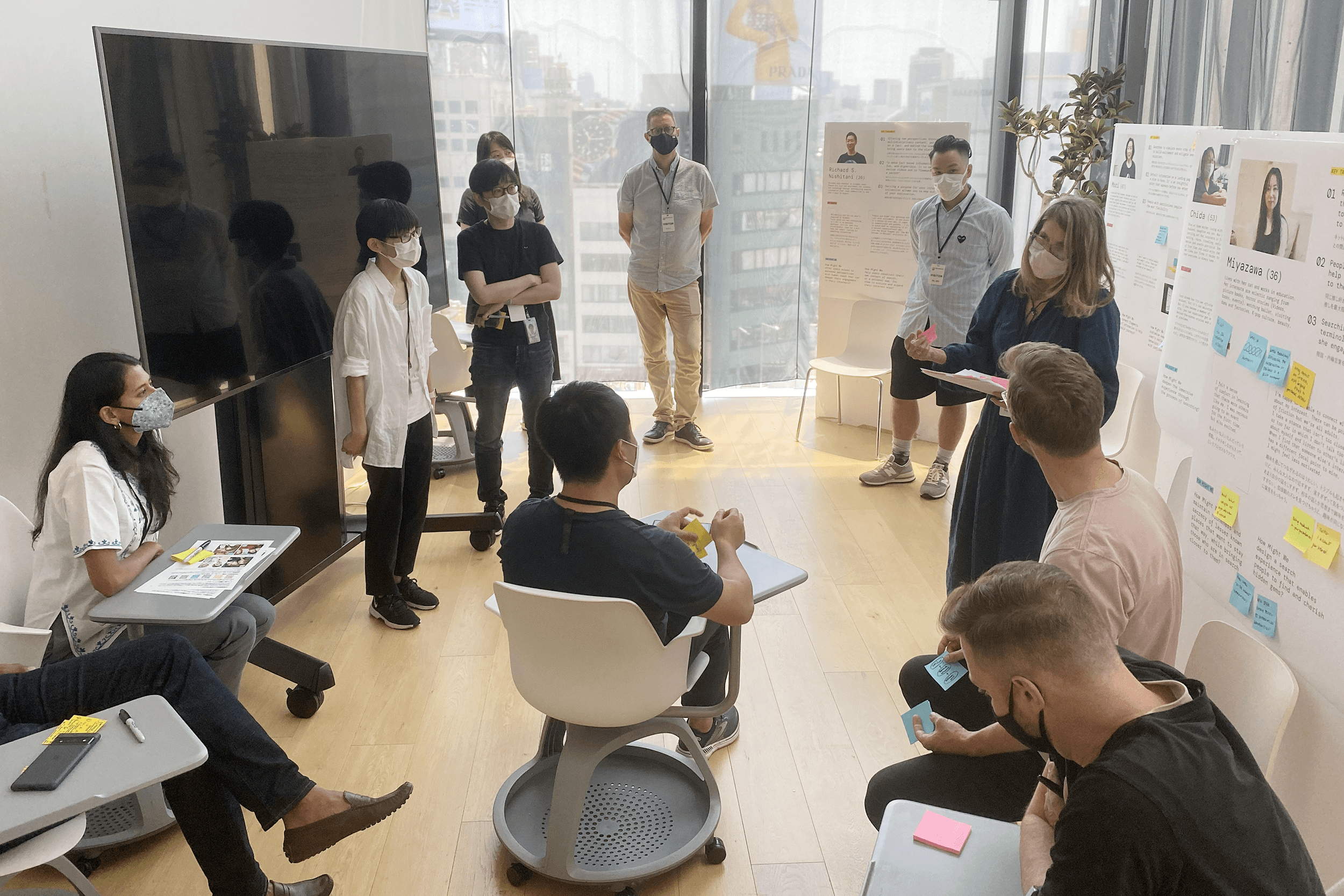
This research → opportunity project spanned 3 months, and was done in close collaboration with the Google team.
Going into this brief our design researchers had a hypothesis for what could be causing some of the unique behaviours that Google is tracking data for, which stems from the difference in languages. English is very direct in it's meaning for 'search', however, a few different words can be used which imply very different behaviour modes in Japanese. 'Kensaku' reflects 'search', however, another word; 'Tansaku' meaning 'seek' implies more exploratory, passive browsing. This showed in Google's tracking data for what is deemed 'Good engagement'. Approximately 5 minutes spent on a search is seen as good, but engagement for as long as 30 minutes was common. This passive behaviour was seen negatively as it showed Google no clear conclusion to an objective.
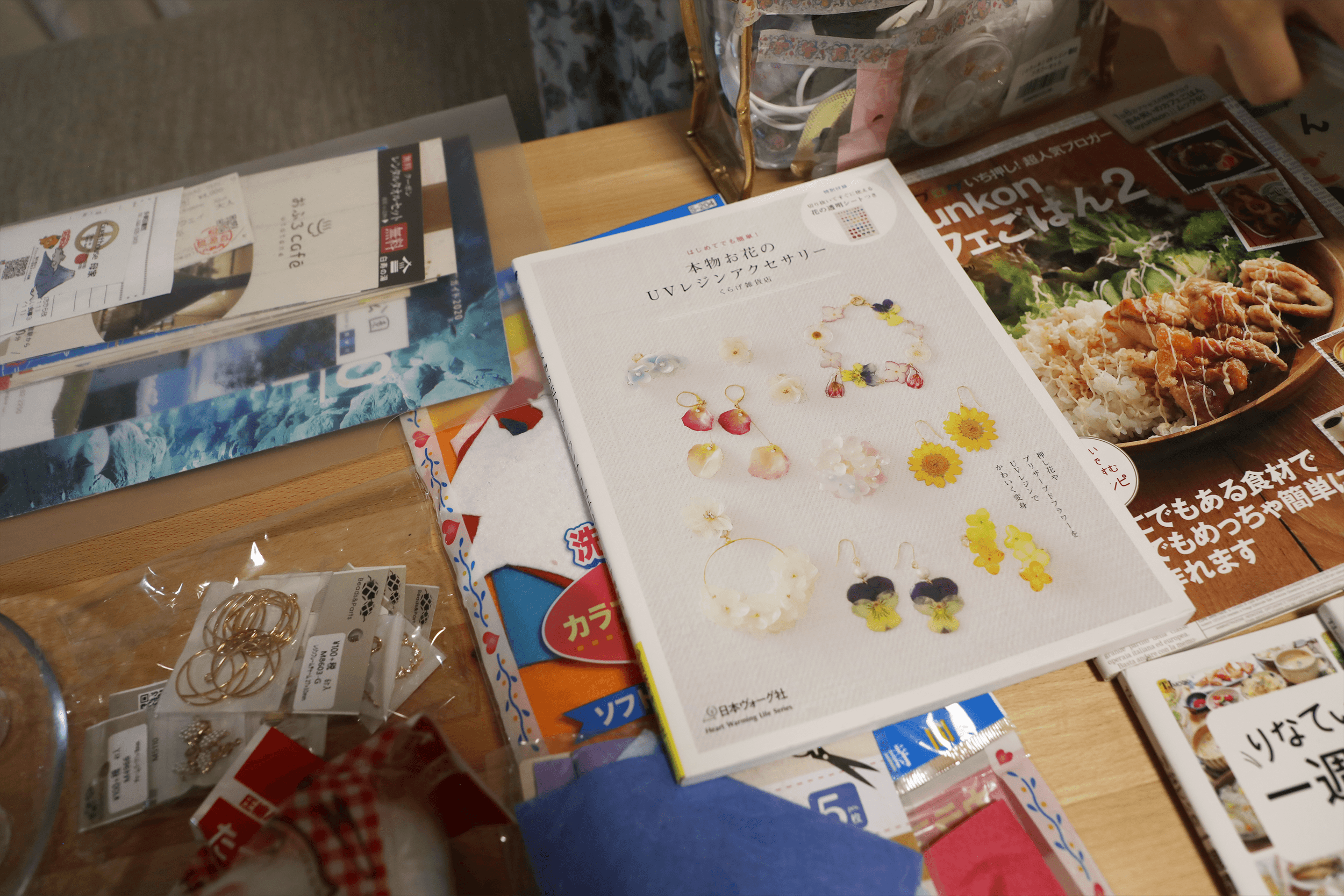
As a gateway to investigate how Japanese users search passionately about their interests, we explored 'Oshi Katsu': a popular subculture lifestyle in which you dedicate time and money to your fandom. This mindset of wanting more of what you love and making connections to enjoy it together helped us understand different emotions behind search.

Learnings
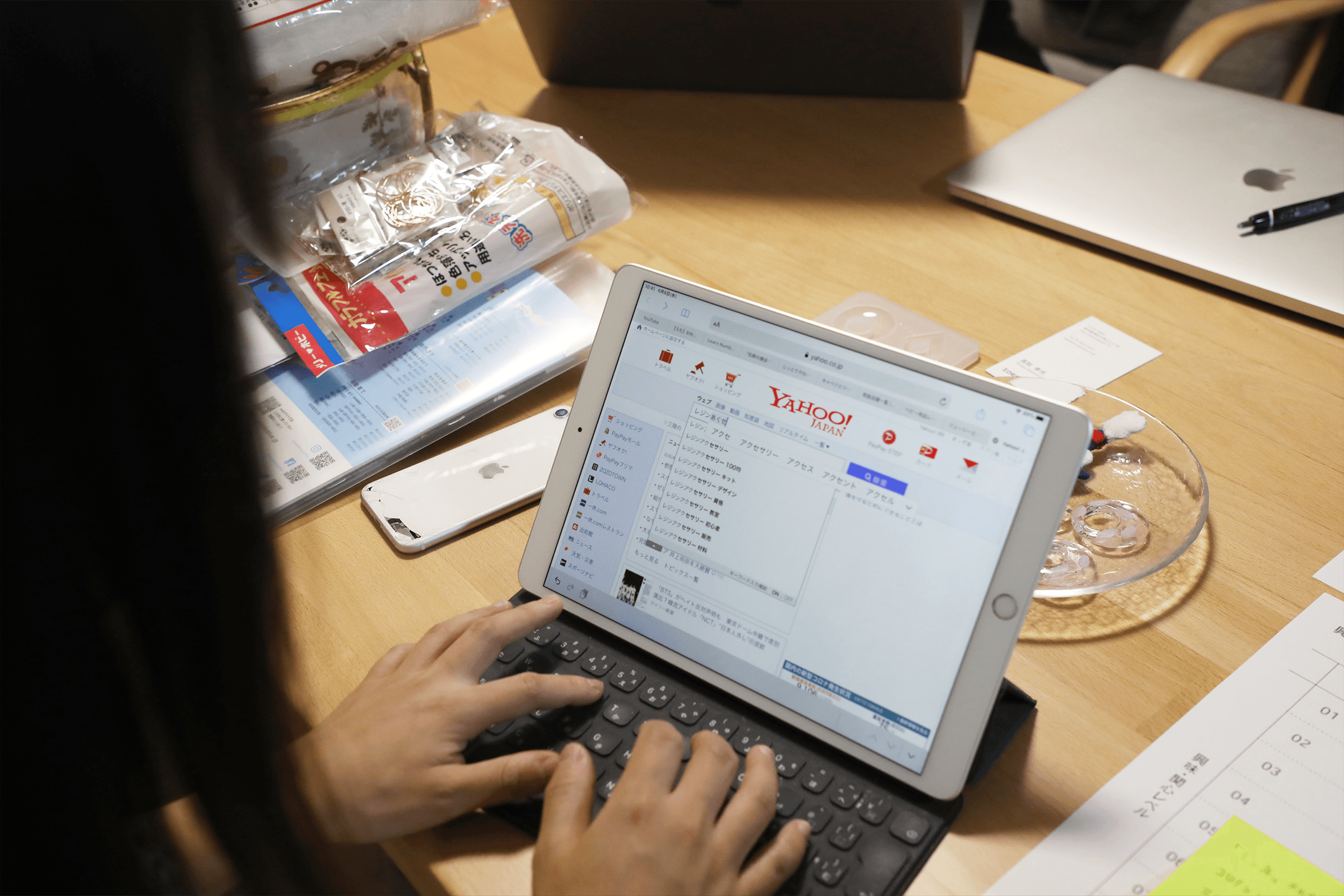
While the simplicity of Google's design language is appealing, we learnt that the blank top search page can be paralyzing for some. In Japan, there are many 'in-the-know' words that are created within groups of people sharing the same interest. Without knowing them, it is impossible to access authentic, and credible information. So before users can really begin their search, a search for search's sake to find the right terminology is necessary. Other platforms such as Yahoo.jp or Twitter offer jumping off points from the beginning that at least point you in the right direction.
"It's difficult to decide how much to explain for newbie listeners of the podcast. Recently, audio media has more and more inside jokes, with the assumption that you have to look it up to get it."
— Music Lover
An idea that we prototyped and tested for this was 'Moyamoya Search'. A suggestion tool for searches that appears in results and gives you proximity sliders and hints to connected themes to broaden your literacy for a given topic.
Learnings
The passive browsing behaviour was related to users wanting to take their time with their interest based searches almost is it it were content. It connected to a mindset of giving yourself a chance for them to relieve stress and escape everyday life, to enrich themselves and their identity. These searches gave users a chance to seek information others had not just to connect but to enable each other to enjoy the interest more.
"If the hobby is in the middle, not the
person, that is ideal."
— Teacher
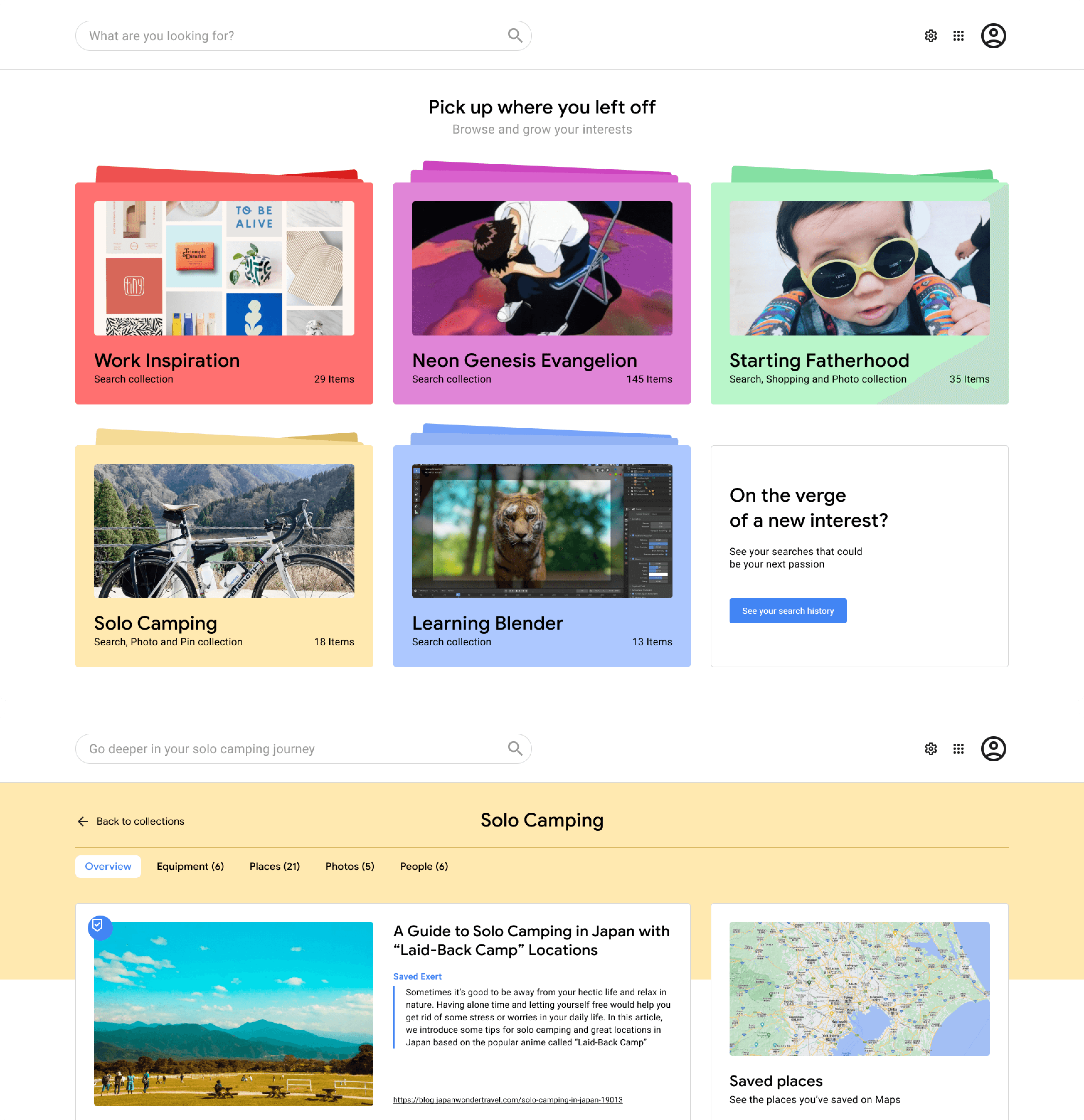
An early prototype we tested that enabled this insight was this idea 'Your Media'. It explored the possibility of having a personal hub created from your Google searches and saved topics, links, videos, and so on. You could form new hobbies through these collections.

Learnings
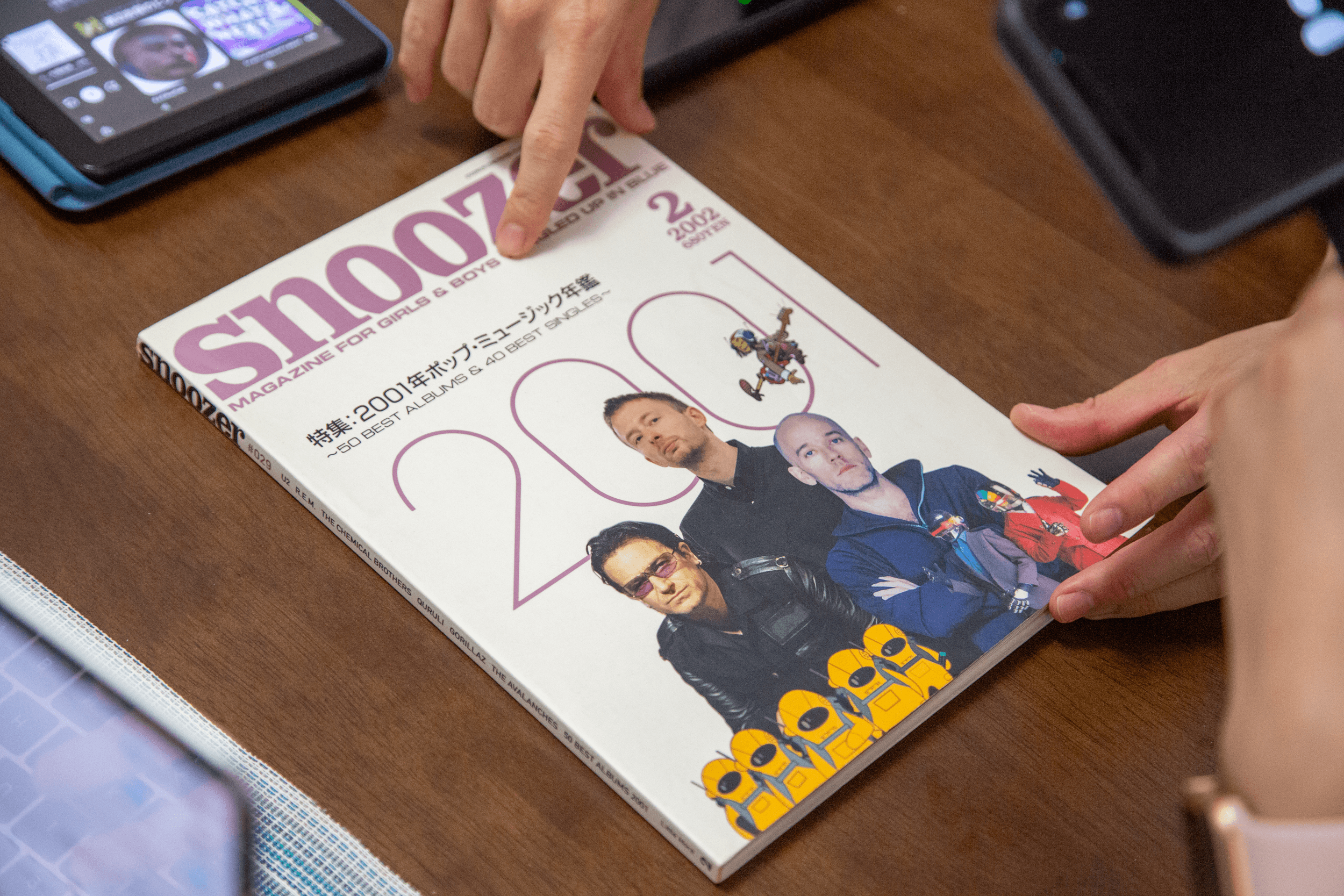
When it comes to fully enjoying their interests, Japanese users go into deep-dive mode. Users seek the perspectives and recommendations of others as guidance to explore. Content on conventional offline media, such as magazines, act as sources of recommendations that help broaden user perspectives. People seek them to inspire their search, and not just to passively consume.
"Clubhouse didn't work well in Japan because it was a participatory platform where Japanese people were forced to speak up, even though they wanted to participate in a discreet manner."
— Tech Reviewer
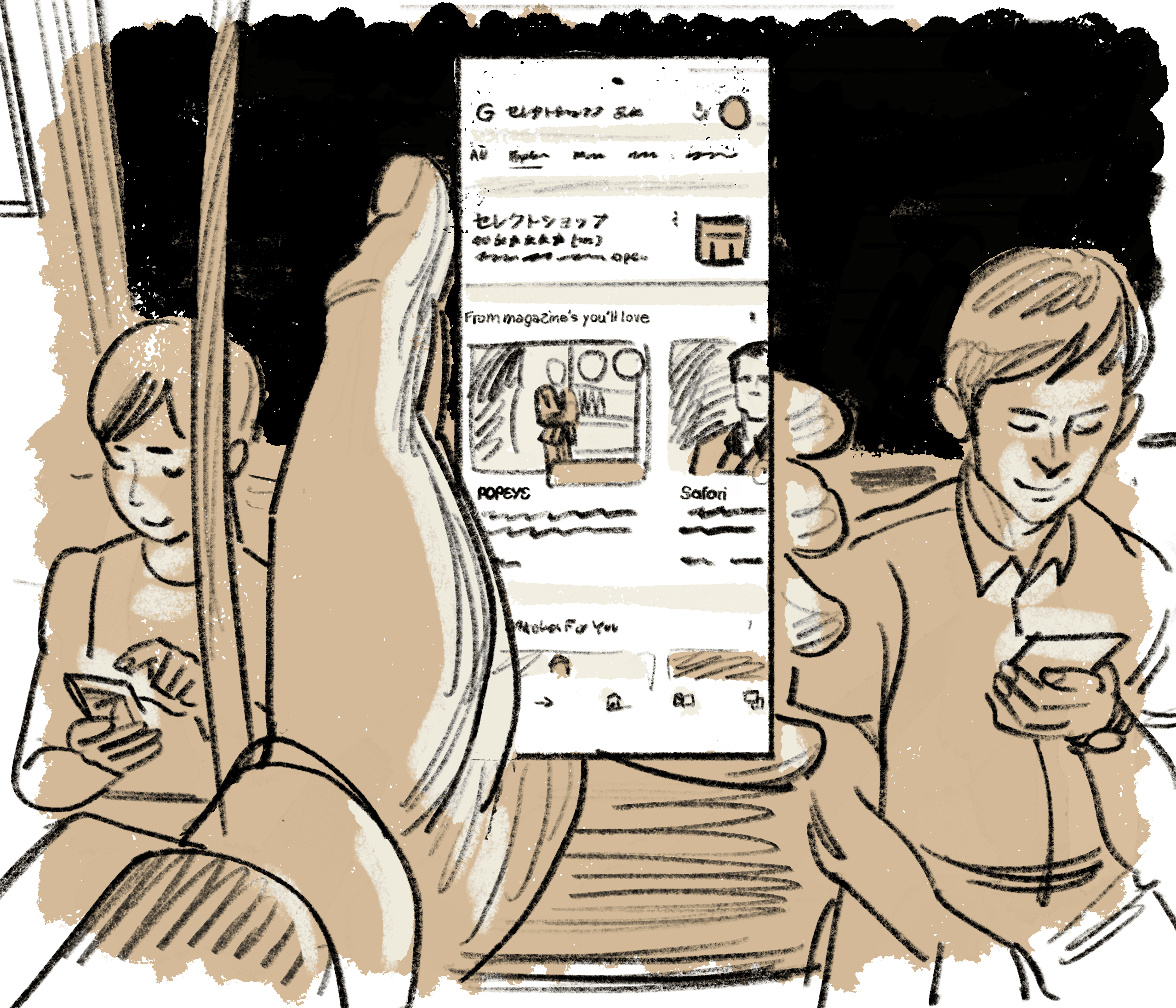
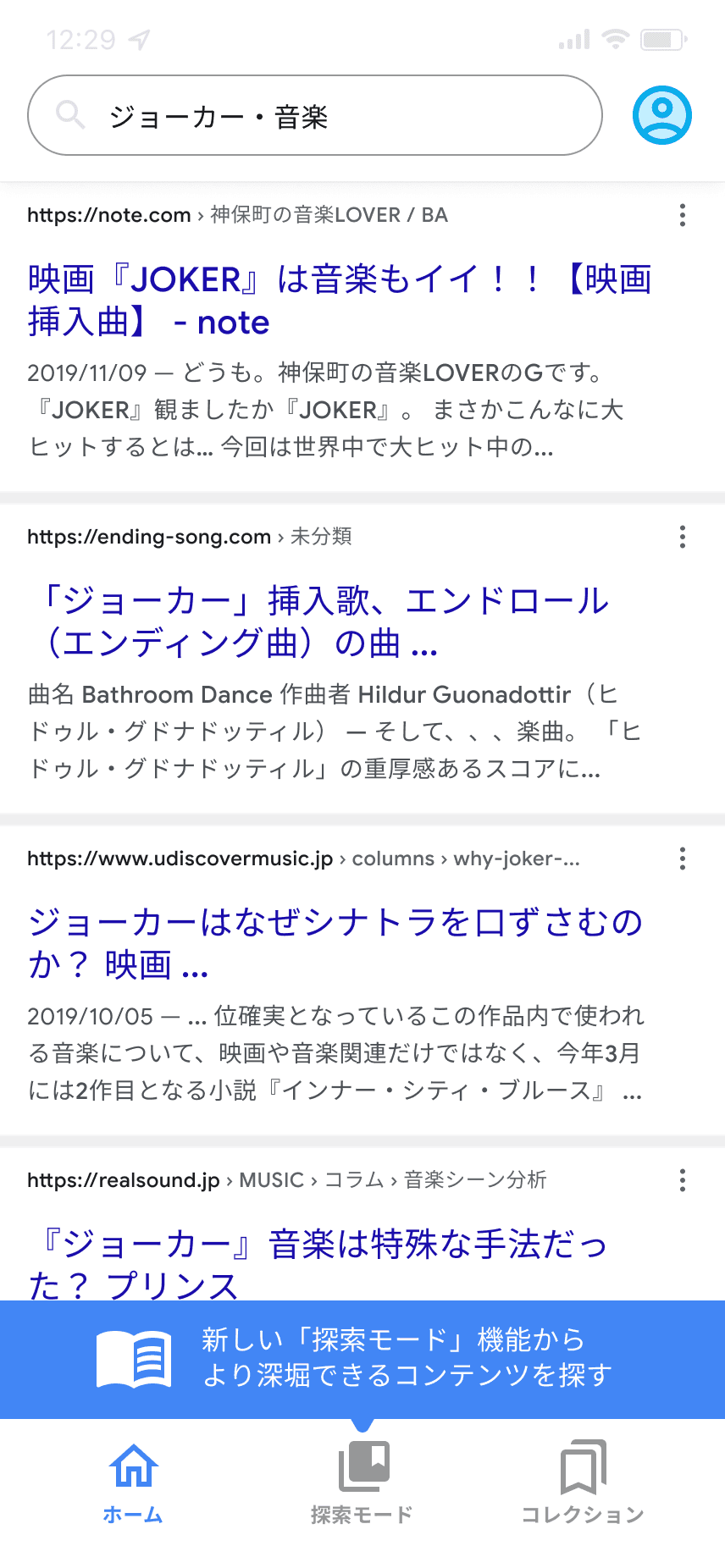
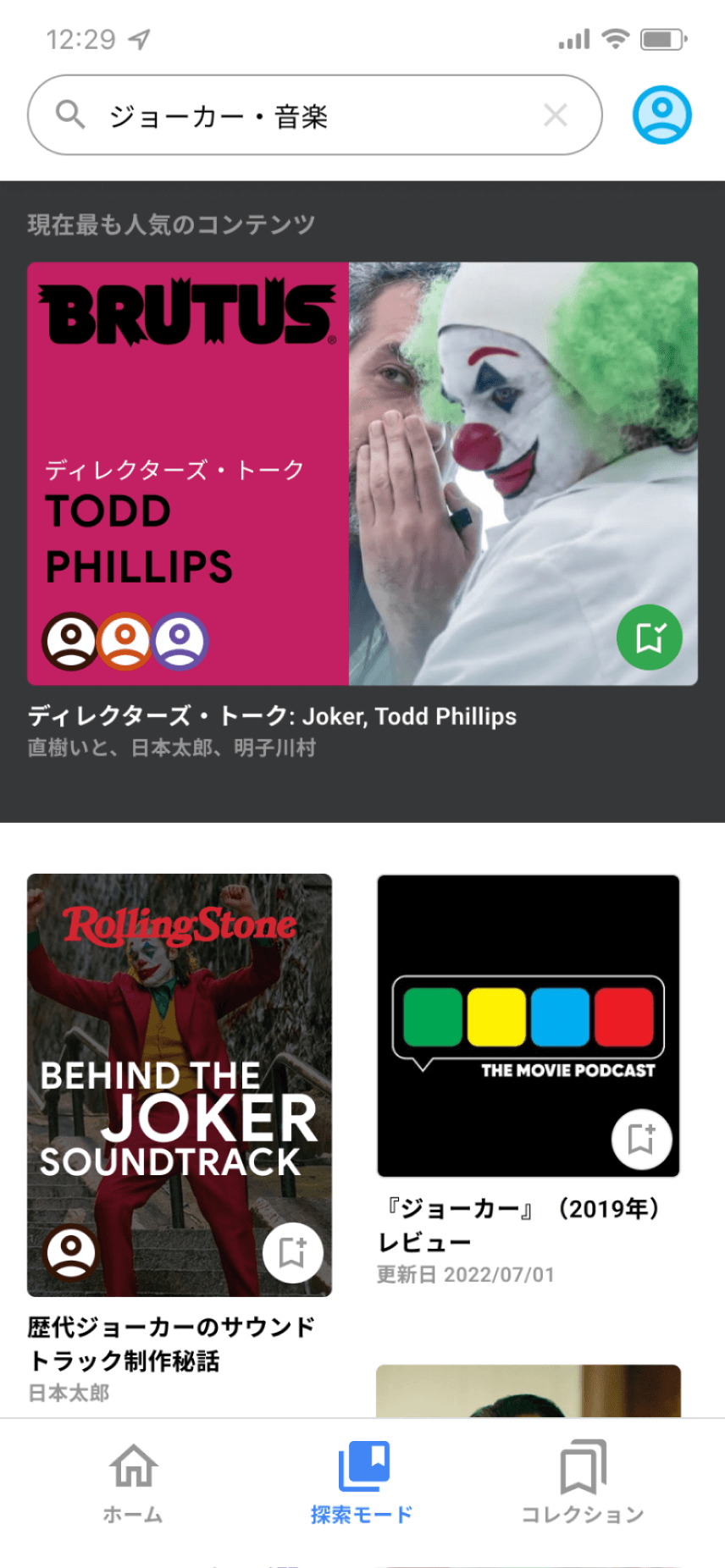
Leaning into tansaku, this 'Explore Mode' idea creates editorial like collections of content for users to discover during their searches. It would also provide a platform Google could monetise for existing publishers to distribute their content and potentially find a wider audience.
Outcomes
Collaborating with an illustrator, we created a user journey video showing how these prototypes could enhance the Search UX for Japan.
The initial reception of the strategy and ideation was highly regarded by the Search team as they hoped to pursue other countries in their market first UX. The Japan Search team was significantly downsized after this engagement, with the introduction of AI centric features, however, parts of this project continue to permeate within Google.